
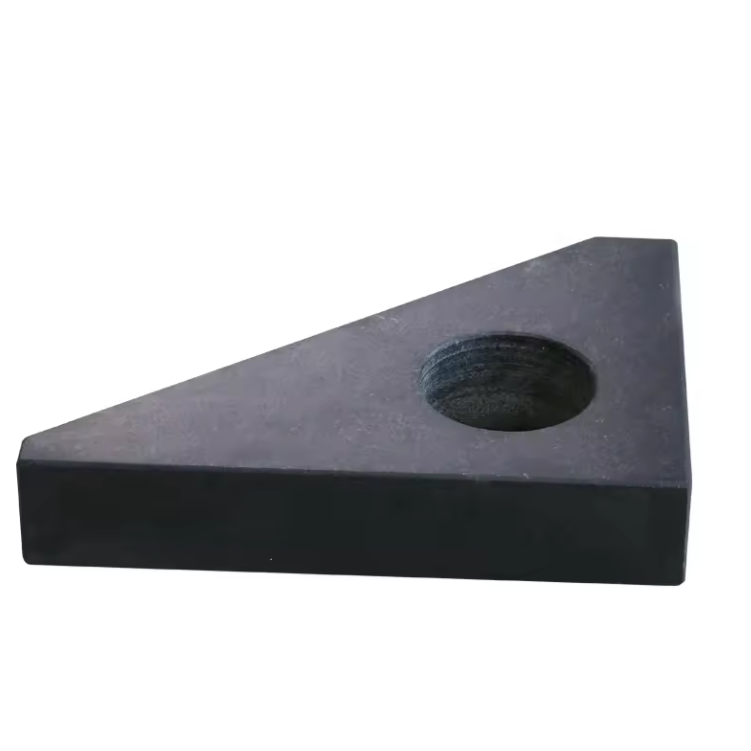
toughened glass sliding door
For tradespeople and technicians, precision is key. A variety of specialized gauges, such as the thread measuring gauge , differential gauge , and metal marking gauge , ensure that every measurement and marking is exact. This guide will highlight the features and benefits of these essential tools, offering insights into how they enhance accuracy in various applications. Understanding the Importance of the Thread Measuring Gauge A thread measuring gauge is indispensable when checking thread pitches and angles in bolts, nuts, and screws. This gauge is designed to verify thread standards quickly and accurately, whether in a factory setting or on-site work. By using a thread measuring gauge, technicians can avoid mismatches and ensure a secure fit, which is crucial for structural integrity in construction, automotive, and mechanical applications. Applications and Benefits of the Differential Gauge In systems that require pressure measurement, the differential gauge is an essential tool. Unlike standard pressure gauges, differential gauges measure the difference in pressure between two points, making it ideal for monitoring fluid flow in pipes, filters, or HVAC systems. Using a differential gauge improves system performance, helping detect blockages or pressure drops that may indicate maintenance needs, ensuring operational efficiency and safety. Precision Marking with the Metal Marking Gauge For anyone working with metal, a metal marking gauge is a tool that enhances accuracy in layout and cutting tasks. This gauge allows for precise lines and markings on metal surfaces, ensuring that each measurement is accurate before cutting, welding, or drilling. The metal marking gauge is commonly used in metalworking, fabrication, and construction to create exact markings, ultimately saving time and reducing errors. Choosing the Right Gauge for Your Needs When selecting a gauge, consider the specific requirements of your work. For threaded components, a thread measuring gauge is ideal, while fluid and pressure systems will benefit from a differential gauge . Meanwhile, a metal marking gauge is best for precise markings on metal surfaces. Choosing the correct gauge can streamline your workflow, improve accuracy, and enhance overall efficiency in your projects. Maintenance Tips for Longevity and Accuracy To ensure these tools perform well over time, proper maintenance is essential. For a thread measuring gauge , clean threads after each use to prevent buildup that could impact readings. For a differential gauge , regularly inspect connections and recalibrate as needed. Keep your metal marking gauge sharp and clean for consistent markings. Regular upkeep of each gauge not only extends its lifespan but also guarantees reliable performance for all future tasks. In conclusion, tools like the thread measuring gauge , differential gauge , and metal marking gauge are critical for achieving precision and efficiency in a range of industrial and craft applications. By selecting the right tool for each task and maintaining it well, you’ll ensure accurate results every time.
about
toughened glass sliding door
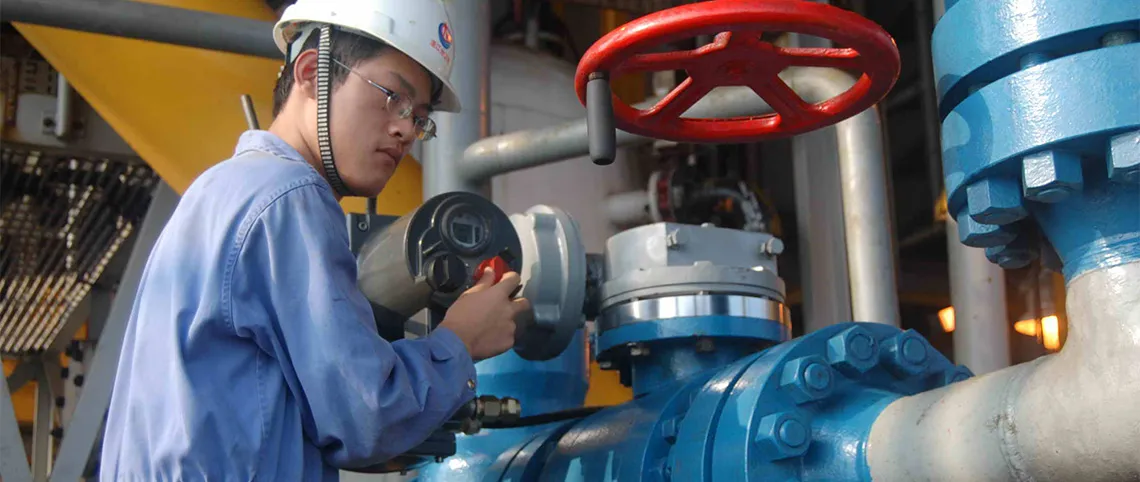
Understanding the 3 8% Check Valve Function, Importance, and Applications In industrial and manufacturing processes, the smooth and efficient flow of fluids is crucial. One critical component that helps regulate this flow is the check valve. Among various configurations and specifications within check valves, the 3 8% check valve stands out for its unique properties and wide-ranging applications. This article aims to explore the function, importance, and common uses of the 3 8% check valve. What is a Check Valve? A check valve, also known as a non-return valve, is a type of valve that allows fluid (liquid or gas) to flow in one direction while preventing backflow. This one-way operation is essential in systems where reverse flow could cause damage, contamination, or operational failure. Check valves are widely used in various industries, including water treatment, oil and gas, and manufacturing processes. The 3 8% Check Valve Explained The designation 3 8% refers to specific parameters and design features that characterize this check valve. While specific technical specifications may vary among manufacturers, common interpretations of this nomenclature can indicate the valve's size, material type, and performance attributes. - Size and Compatibility The 3% part typically represents the size of the valve, suggesting it is designed to accommodate a specific flow rate or pipe diameter. In industrial applications, this sizing allows engineers to select the appropriate valve compatible with existing systems. - Material Composition The 208% might indicate the material composition or related standards that contribute to the valve's durability and resistance to corrosion, heat, or pressure. Depending on the operating environment, the valve may be constructed from materials such as stainless steel, brass, or specialized plastics. Importance of the 3 8% Check Valve The 3 8% check valve plays several crucial roles in fluid systems 1. Prevention of Backflow By ensuring that fluid flows in only one direction, this valve prevents backflow, which can contaminate systems or cause damage to pumps and other components. 3 8 check valve 2. Protection of Equipment The check valve safeguards crucial equipment from potential damage that can occur due to pressure fluctuations or backflow, thus extending the life of machinery. 3. Maintaining System Efficiency By facilitating a smooth flow of fluids, the check valve helps maintain system efficiency, reducing the energy needed for pumping and optimizing operational performance. 4. Safety Assurance In critical applications, such as in chemical or gas pipelines, using a check valve is vital for safety, preventing leaks and potential hazards caused by unexpected fluid reversal. Applications of the 3 8% Check Valve The versatility of the 3 8% check valve allows it to be utilized in various applications across different industries - Water Supply Systems In municipal and industrial water supply systems, these valves help maintain a steady flow of water without risking contamination from backflow. - Chemical Processing In chemical plants, the 3 8% check valve ensures that hazardous substances do not flow back into storage or processing tanks, significantly reducing risks. - Oil and Gas In oil and gas pipelines, check valves are essential for maintaining directional flow and protecting the integrity of the pipeline systems. - HVAC Systems Check valves are used in heating, ventilation, and air conditioning systems to ensure airflow in the desired direction, preventing airflow issues that can lead to inefficiency. Conclusion The 3 8% check valve is a vital component in various fluid systems, encompassing numerous industries and applications. Its ability to prevent backflow, protect equipment, maintain efficiency, and ensure safety makes it indispensable in modern engineering practices. Understanding its significance can help professionals make informed decisions regarding system design and functionality, ultimately contributing to improved industrial performance.
-

High quality industrial productsagement

High quality industrial products
View Details -

Meet the diverse needs of customers

Meet the diverse needs of customers
View Details -

Strict quality control

Strict quality control
View Details -

Top raw materials

Top raw materials
View Details -

Trusted supplier

Trusted supplier
View Details
Our application


news and information
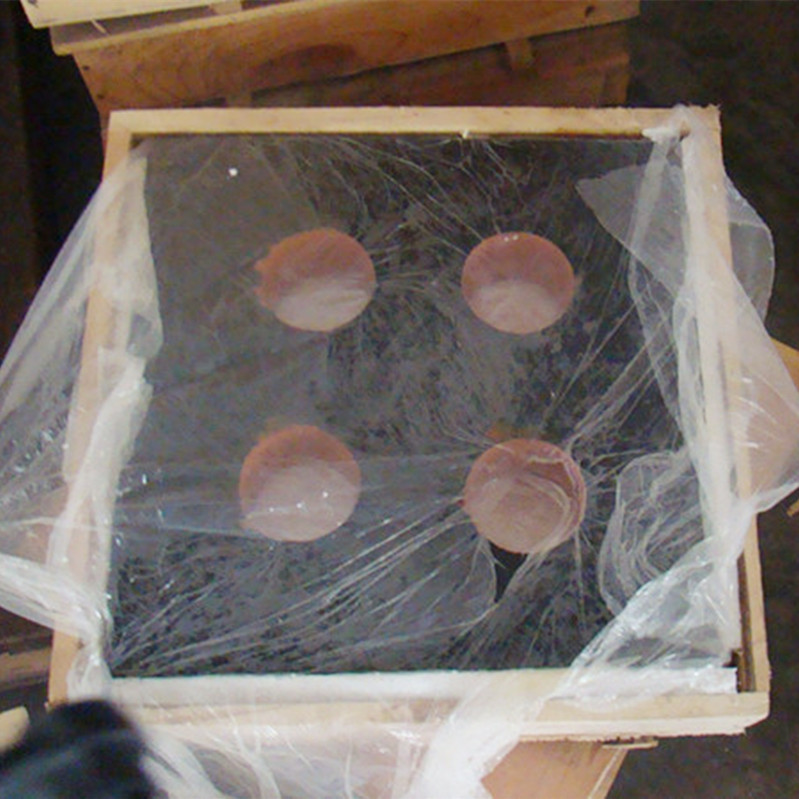
Versatile Ground Anchor Solutions for Securely Supporting Adjustable Structures and Outdoor Installa
Understanding Adjustable Post Ground Anchors A Comprehensive Guide In the field of construction and
Versatile Metal Saddle Clamp for Securely Holding Pipes and Tubing in Various Applications
The Importance of Metal Saddle Clamps in Modern Applications In the world of engineering and constru

Y Type Strainer Featuring Convenient Drain Valve for Efficient Fluid Filtration
Understanding Y-Type Strainers with Drain Valves In industrial settings, efficient fluid management
 English